
10 TYPES OF BASIL PLANTS
Discover the different types of basil plants and their unique flavors. From sweet to spicy, there’s a variety of basil for everyone!
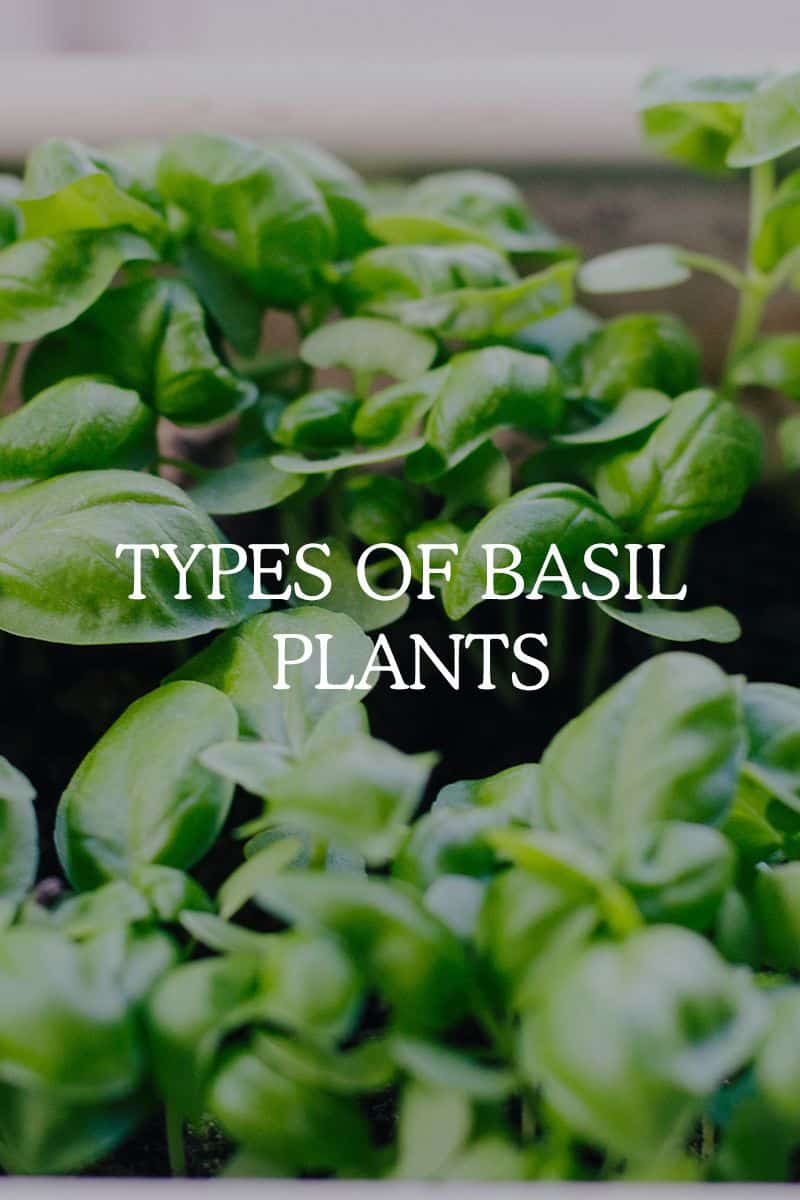
Basil is a well-known culinary herb that has been popular throughout the ages and is used in many dishes – especially Italian. It can be used, of course, in cooking, but it is also able to aid in digestion by being used as a tonic by steeping the leaves in wine for hours.
Common Uses of Basil
Basil can be made into oil by pounding/grinding the fresh leaves to release their aroma and mixing it with quality vegetable oil. It can be frozen if coated in olive oil first and fried when stored in salt. Basil is most commonly used for cooking in pesto, certain kinds of vinegar, or tomato sauce. In particular, it is great for sprinkling over sliced tomatoes, salads, and pasta for an added flavor. However, to maximize flavor, tear the basil leaves – do not chop them.
Basil comes in such a variety of flavors that it is important to know what type of basil is being used in order to flavor-match best
Why Try Different Types Of Basil?

There are several reasons to grow (and know about) different types of basil. For example, the variety of flavors, the internationality, and comes in a variety of forms and foliage colors. Thai basil adds a burst of anise/licorice to stir-fries and curries (aptly named Thai because of it) while lemon-lime basil adds a citrus feel and mild lemon flavor making it great for teas, salad dressings, and marinades while sweet basil has a classic spicy clove flavor that makes it a favorite to use in pesto.
It’s perfect for those looking for a lower fat and calorie option and those who may have dietary restrictions on pork.
Types of Basil Plants
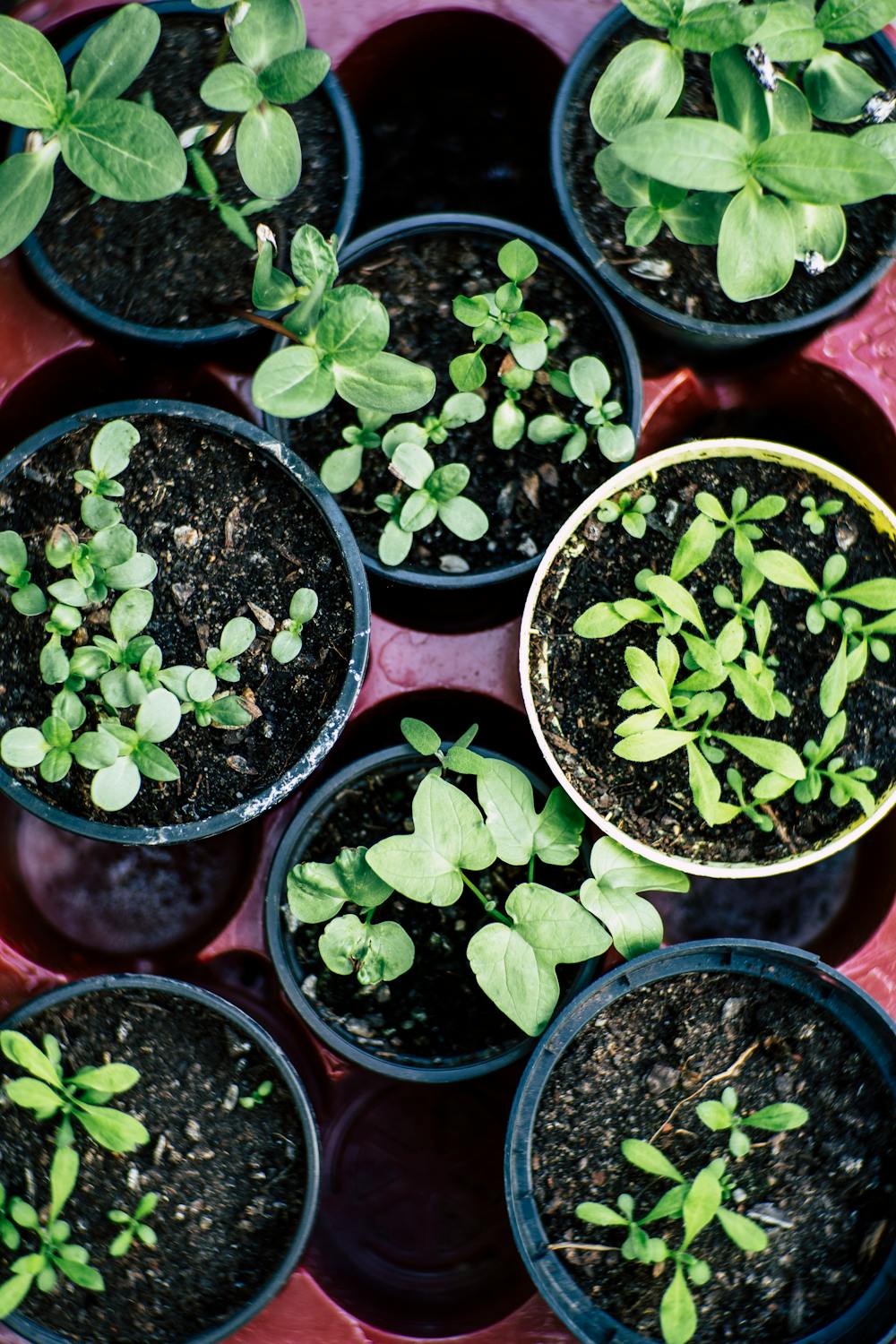
With over 160 types of different cultivars of basil, the flavor ranges from mild and sweet to bold and spicy. Each type gives a different taste to any given dish. Below are the ten most common types of basil, what they are good in, their flavor profile, and how they are best grown.
Most bail plants are sensitive to cold temperatures and grow best when the average temperature is around 70ºF – that’s a big reason why they work so well as indoor plants. Basil seeds germinate in roughly five to seven days.
Sweet Basil

Sweet basil, also known as Ocimum basilicum, is the basil most often sold in the grocery store and it’s an incredibly common variety of basil that is often used in marinades, salads, and pestos.
The Napoletano is the standard lettuce-leafed sweet variety of basil. Sweet basil is also known to be able to repel mosquitos for which we also recommend.
Genovese Basil
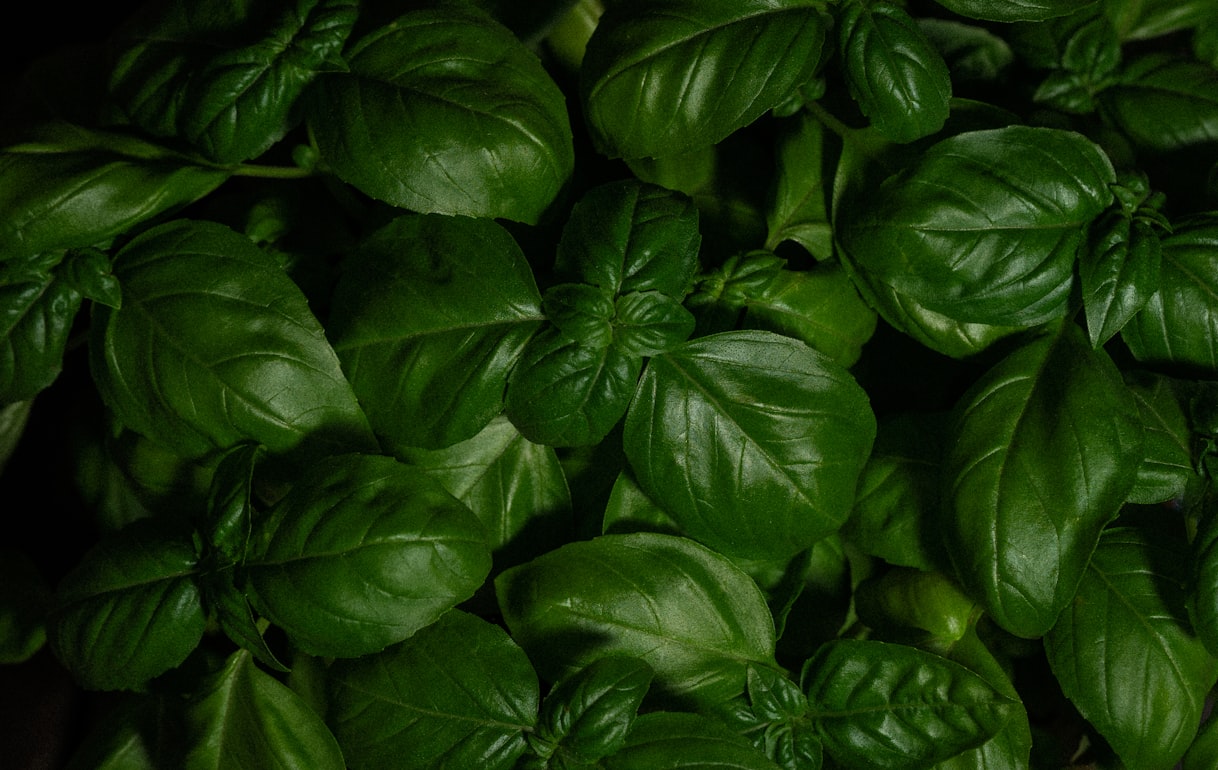
The Genovese basil, like the sweet basil, is great in pesto dishes but is the more commonly used basil for Italian dishes. Some growers and basil cultivars use the Genovese and Sweet basils interchangeably and some even call them the Sweet Genovese Basil variety.
The classic, which is known as the Genovese, the compact variety known as the Emily, and the Dolly which is colder tolerant and produces heavier larger leaves.
Thai Sweet Basil

hai Sweet Basil, scientifically known as the Ocimum basilicum var. (variety) thyrsiflora, is a very popular basil variety due to not only its taste but its coloration and beauty. It’s an essential ingredient when making Pho, curries, stir-fries, noodle dishes, and salads – especially recipes which hail from Eastern Asia.
The flowers bloom at the end of the season and they can grow up to two feet tall and be harvested after 60 days from implementation.
Purple Basil

Ocimum basilicum var. Purpurascens, also known as purple basil, received its name for its good looks. It has a strikingly strong, dark burgundy coloration that provides a beautiful contrast against the other plants in herb gardens. While it’s not a particularly sweet flavor, it does have a stronger clove taste and is highly aromatic which makes it ideal to steep in oil or vinegar.
It grows to be up to 18 inches tall and reaches maturity in 80 days. Its leaves grow medium-large to be around 1 inch in size.
Lemon Basil

Plant-based pepperoni is a delicious and healthy alternative to traditional meat pepperoni. The flavor of this meatless treat is similar to that of the real thing, with a spicy and smoky taste that will satisfy any cravings. It’s perfect for those who are looking for a plant-based diet or have dietary restrictions. Anyone who loves pizza or sandwiches but wants to avoid meat will appreciate plant-based pepperoni.
Plant-based pepperoni is best enjoyed as a topping on a vegan pizza or sandwich or as a standalone snack.
Lime Basil
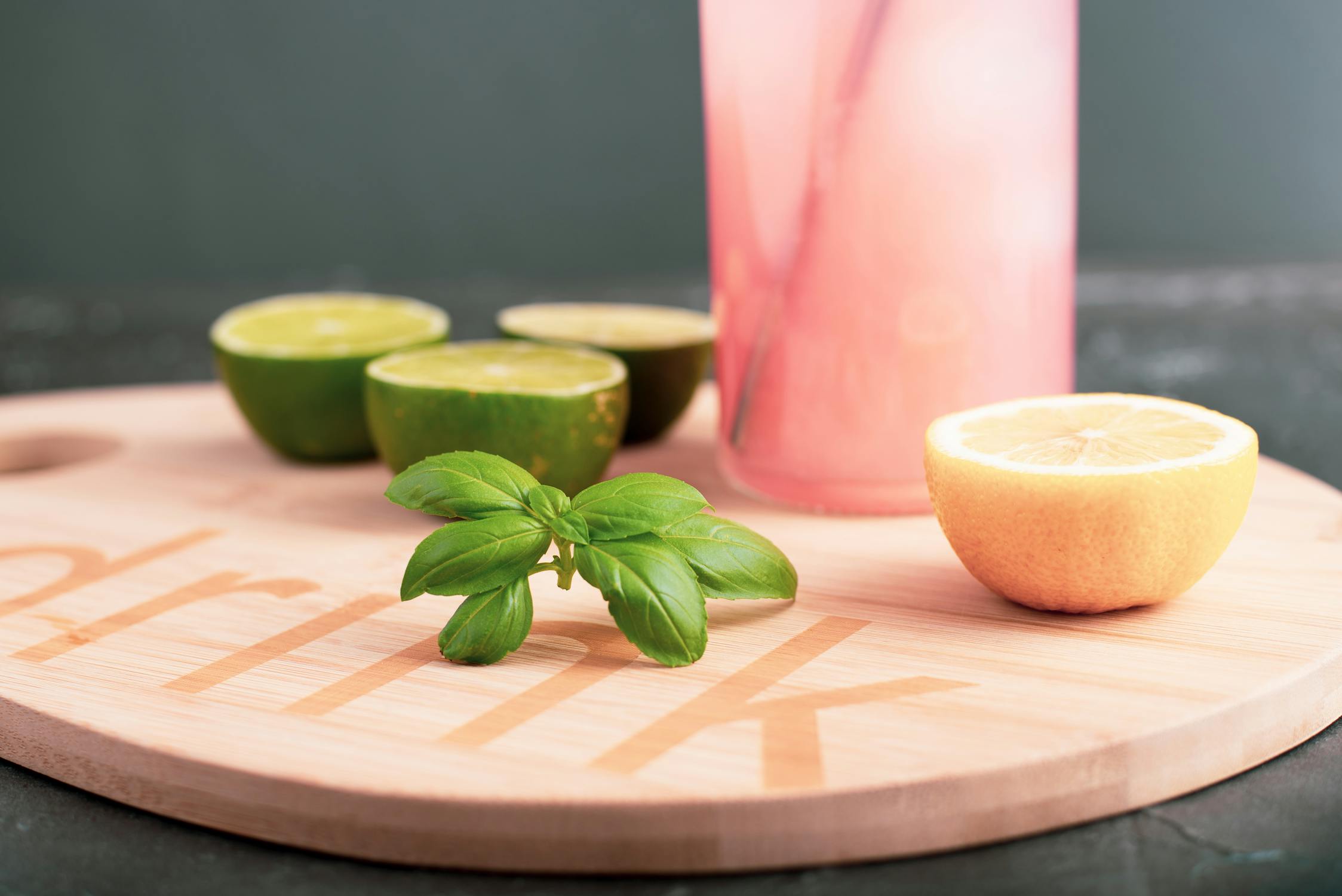
Lime Basil is not to be confused with lemon – although they are quite similar. If you love citrus, planting lime basil, as well as lemon basil, might be the way to go. Although it is not as popular or common as the lemon basil, some gardeners grow both the lemon basil and lime basil together in the garden to bring out the lemon and lime flavors for an intriguing flavor combination.
It also makes a wonderful addition to limeade, lemonade, cocktails, or even to spice up a simple glass of water.
Lettuce Basil
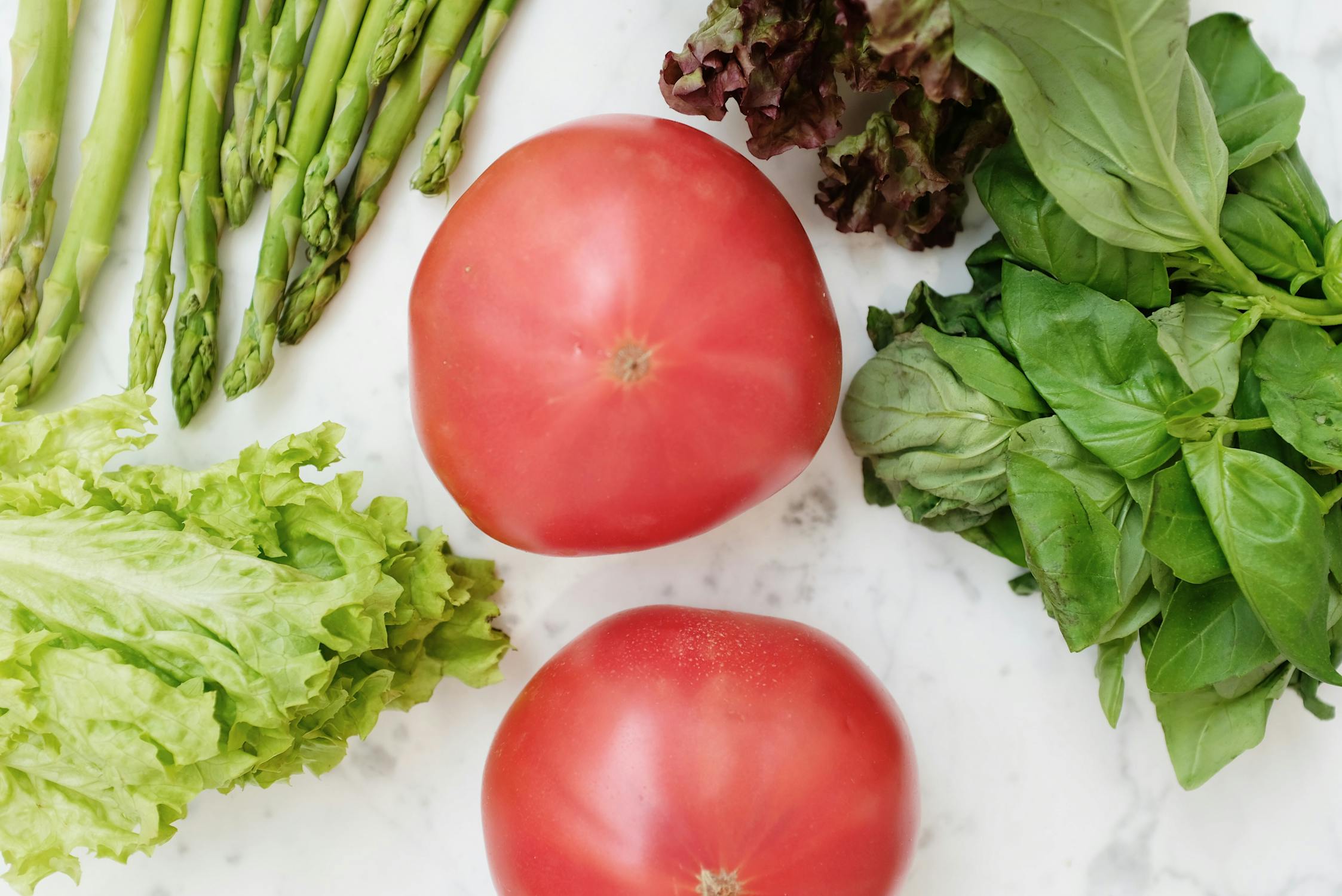
Lettuce basil is quite different from its other varietal basil counterparts due to its distinctive appearance with floppy, large, and wrinkled leaves. Thus, looking similar to lettuce and from where its name derives. Like regular lettuce, lettuce basil works wonderfully in fresh dishes and salads considering that the leaves are between six to ten inches in length but only four inches wide.
Gluten free pepperoni is best enjoyed as a topping on a pizza, in a sandwich, or as a standalone snack.
Green Ruffles
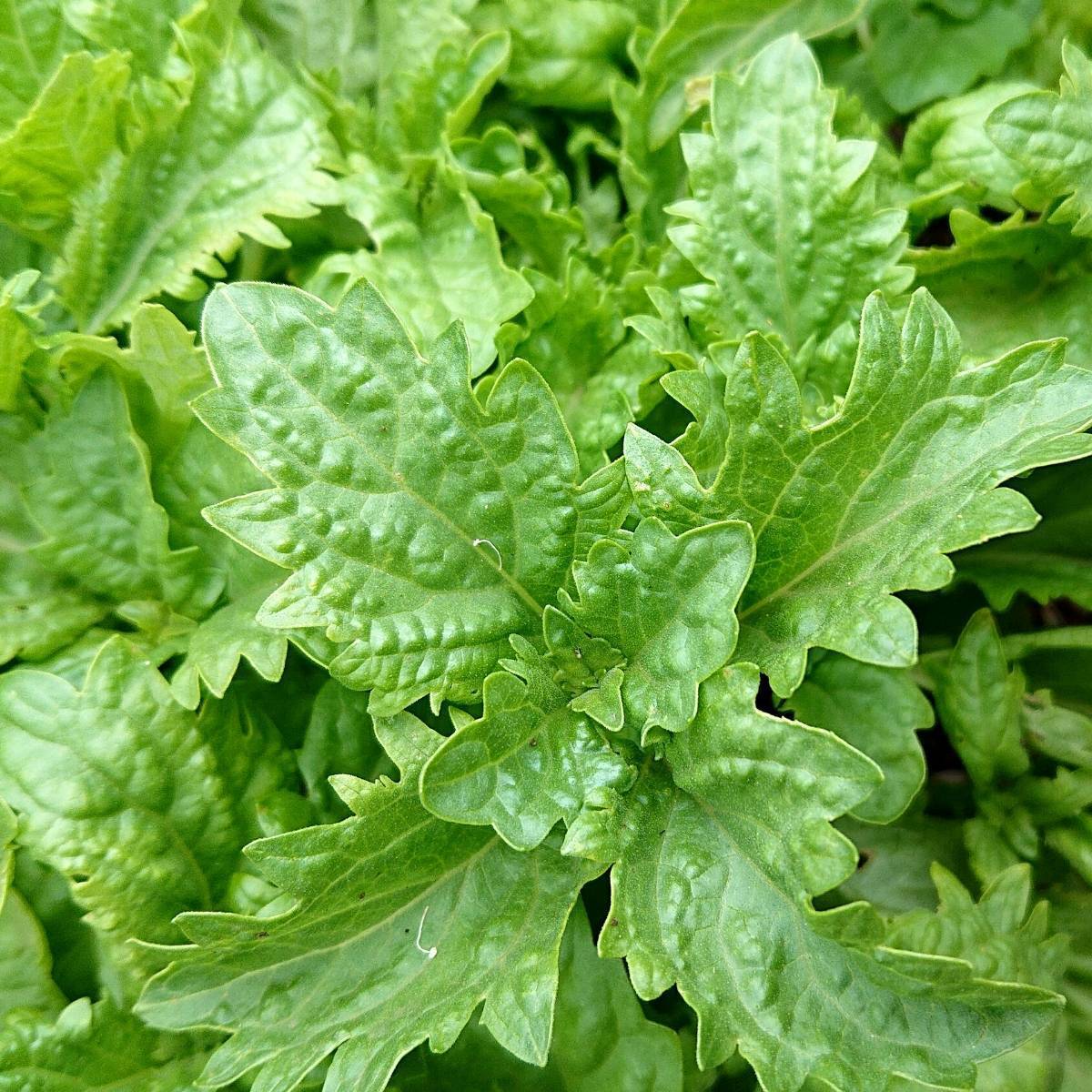
Like many types of basil plants, Green Ruffles basil is aptly named. It has curled leaves that make it a beautiful variety of basil to grow in the garden. It’s larger than sweet basil and can grow up to two-feet tall. The leaves themselves are four to six inches long and the plant can be harvested as soon as 70 days after going to seed.
Its flavor profile, like sweet basil, is mild and delicate which makes it a fantastic and decorative addition to pasta dishes and salads.
Holy Basil
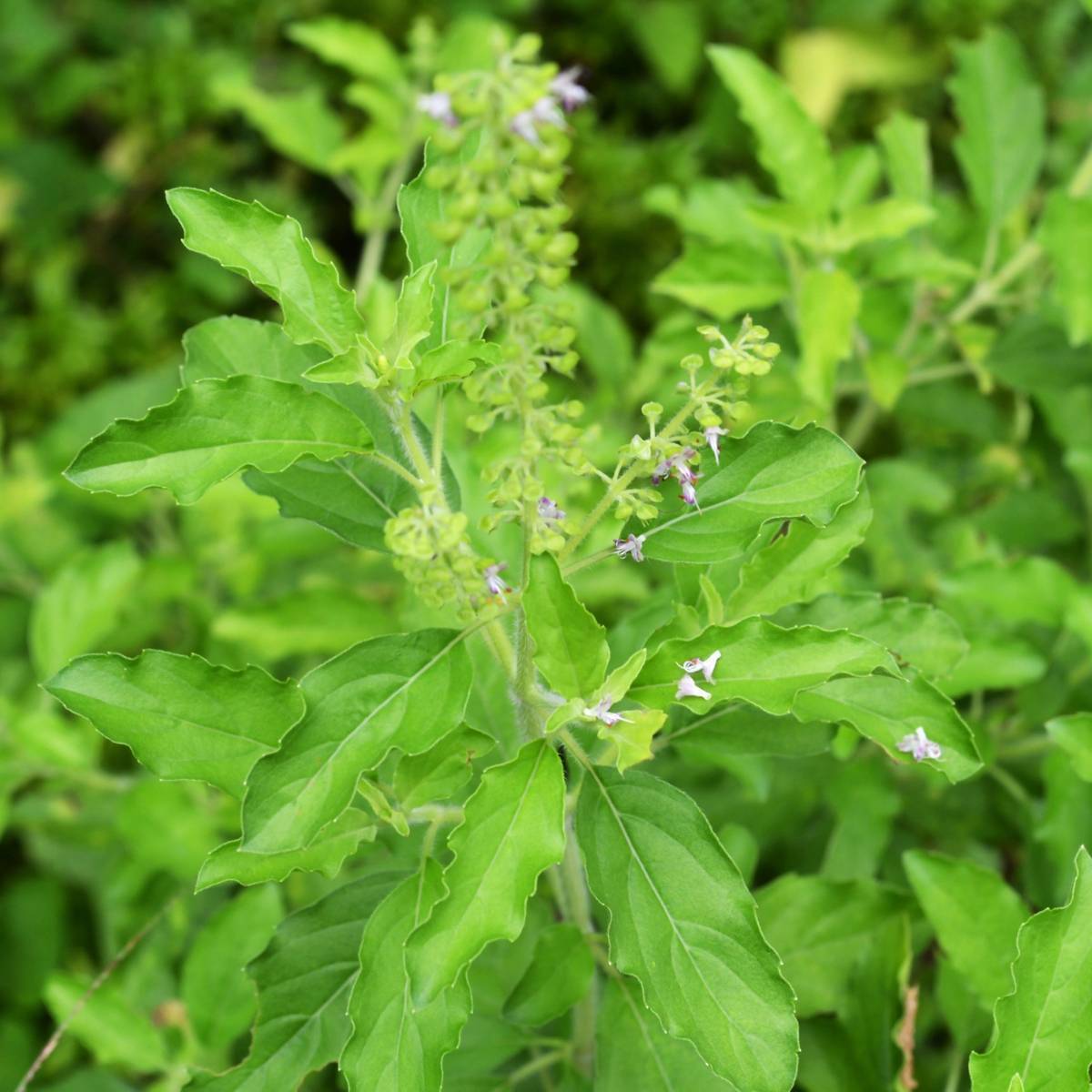
Tulsi basil, coming from South Asia and meaning the “incomparable one” is another name for Holy basil. It’s considered a sacred plant in Hinduism – thus, the “holy” in the name. This type of basil plant is highly fragrant due to its sweet and spicy yet musky aroma. Holy basil is slightly bitter when eaten raw and much better when cooked.
It is used to promote blood circulation, treat kidney ailments, and stomach problems.
Cinnamon Basil
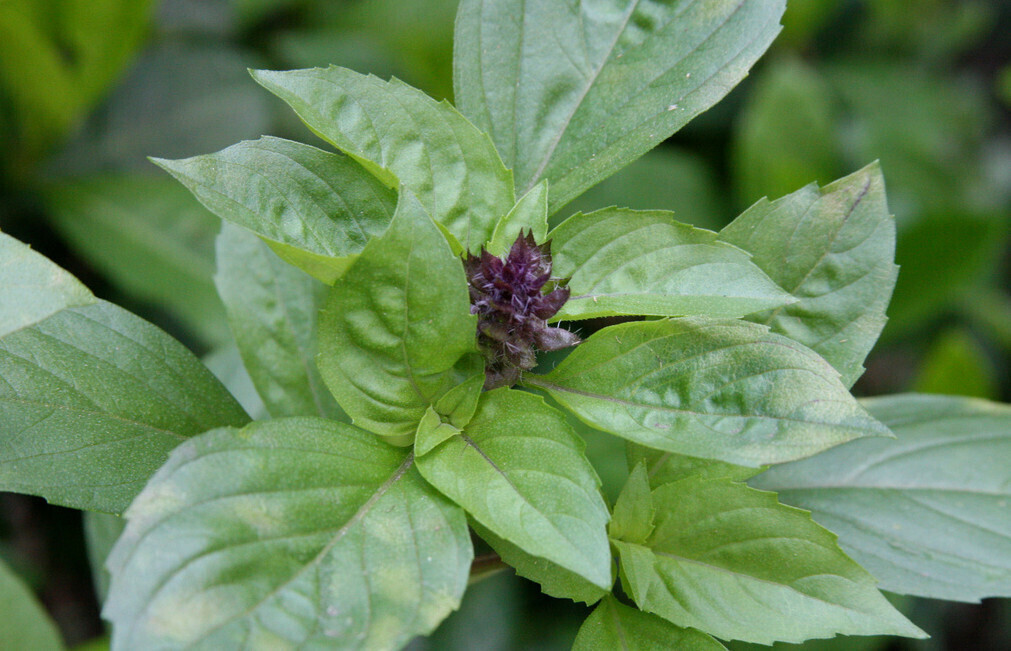
Ocimum basilicum ‘Cinnamon’, commonly referred to as Mexican basil or Cinnamon Basil lives up to its name. It is a spicy, fragrant type of basil plant both in flavor and aroma – it will make any garden smell lightly of cinnamon. Although the leaves are smaller than sweet basil, this variety of basil also looks more beautiful in the garden due to its pink flowers when it reaches maturity and its reddish, purple stems.
Popular dishes that go well with it are apple pie and baked brie with cinnamon basil chutney.
Conclusion
With so many different types of basil in existence, it can be difficult to choose just one. However, by knowing the characteristics of different types of basil plants and experimenting with the different tastes and textures, it is easy to spruce up the kitchen and add variety to any culinary dish.
Recipe adapted from "Freshexchange"