
15 popular types of olives
Did you know there are hundreds of varieties of olives grown around the world? While olives aren't everyone's first choice, their rich, complex flavors and impressive nutritional benefits make them well worth exploring. From buttery green Sicilian olives to deep, smoky Moroccan varieties, every type brings something unique to the table. In this guide, we'll walk you through 15 of the most popular olive varieties — covering where they come from, what they taste like, and the best ways to enjoy them.

-
1. Castelvetrano
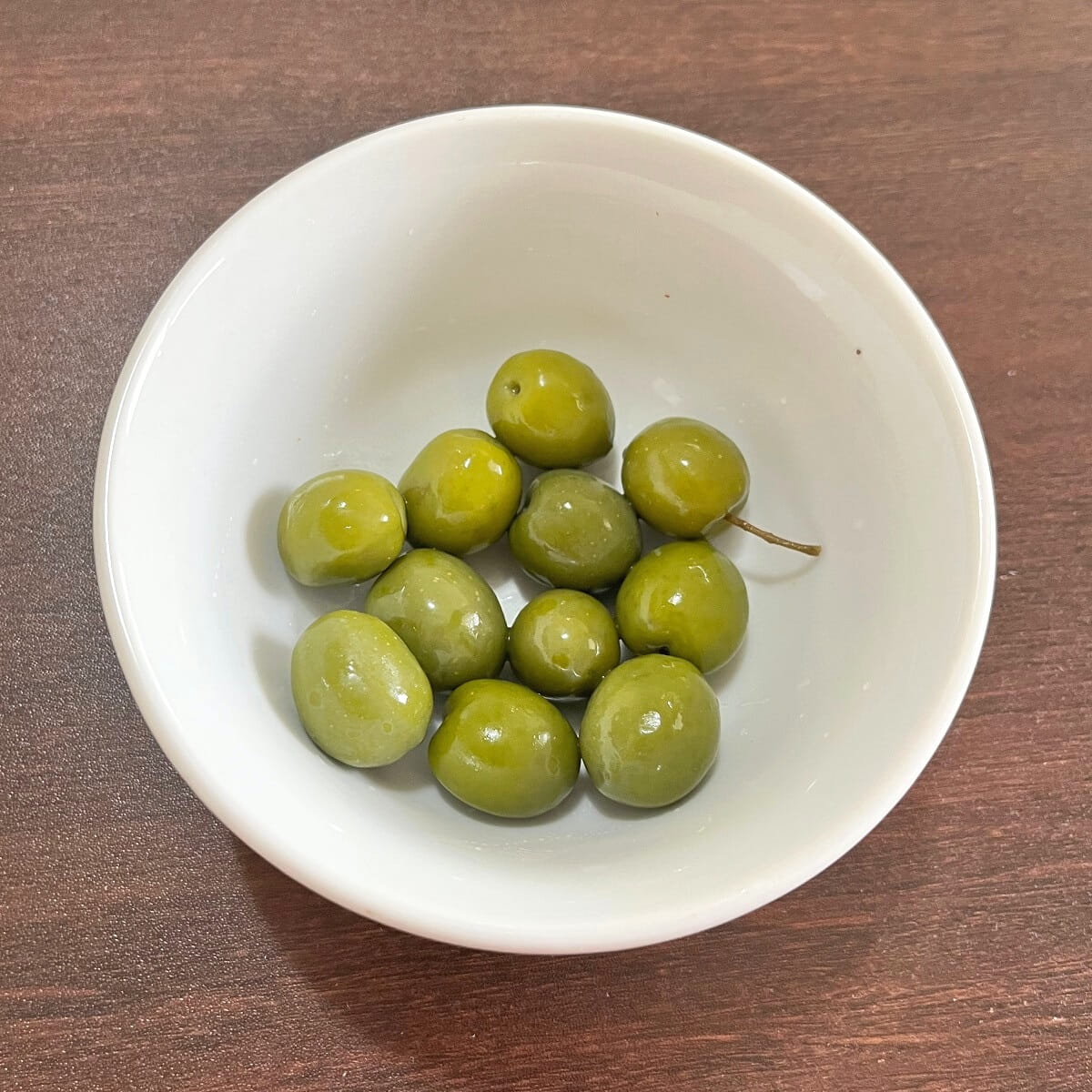
Native to a town in Sicily, Italy, the Castelvetrano olive is instantly recognizable by its vivid, bright green color. It has a mild, buttery flavor that makes it one of the most approachable olives for those new to eating them. With a firm exterior and smooth, soft interior, Castelvetrano olives are a popular choice for cheese platters, Italian antipasti, and Mediterranean-style salads. They are also widely cultivated for olive oil production. -
2. Cerignola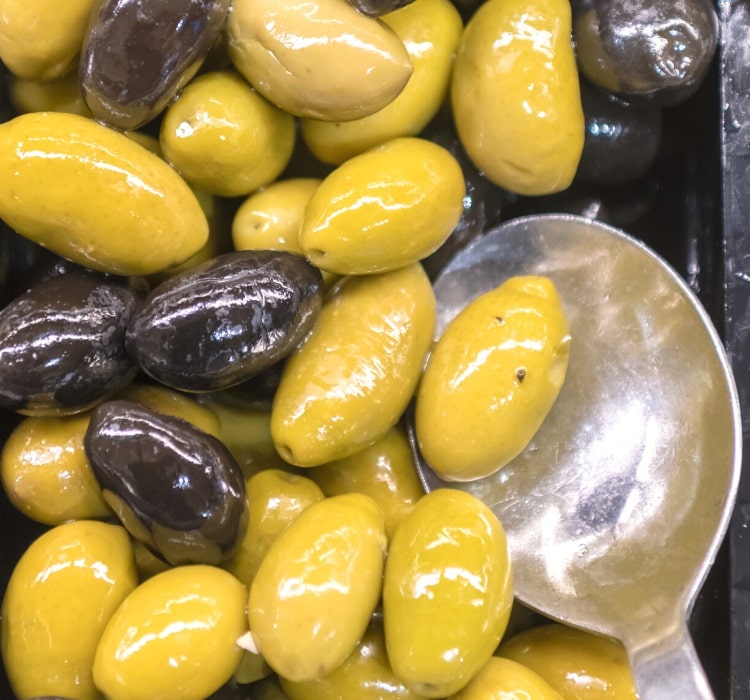
Originating from the province of Foggia in Italy's Puglia region, the Cerignola — also known as Bella di Cerignola — is one of the largest olive varieties in the world. It comes in three colors: green, black, and red. Green Cerignola olives are harvested before full maturity, giving them a firm texture and a slightly sweet, buttery taste. Black ones are fully ripened, resulting in a softer, richer, sweeter flavor. The red variety is dyed and considered a novelty. Their generous size makes them ideal for stuffing and serving on cheese boards. -
3. Niçoise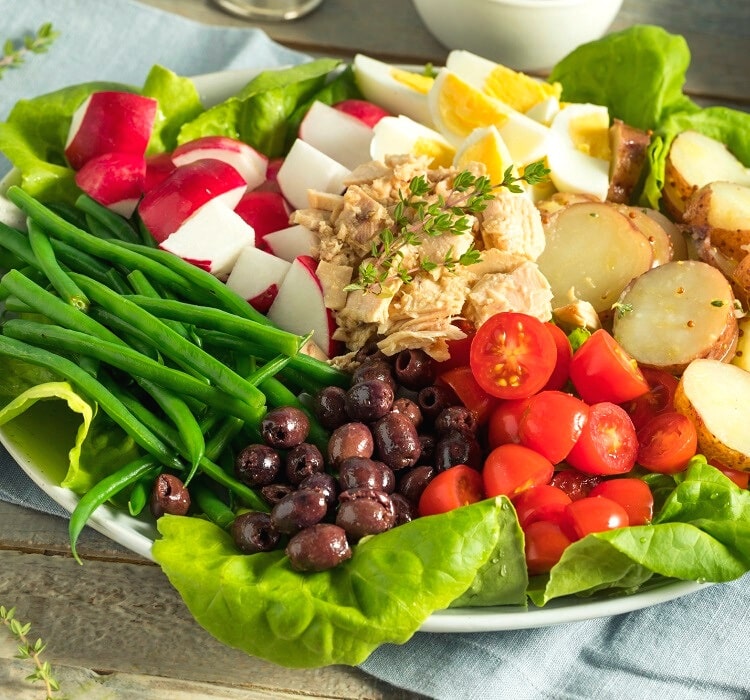
The French Niçoise olive is a small, dark brown to black olive with a slightly wrinkled appearance, grown in the Provence region of southeastern France. It offers a delicate blend of nutty, fruity, and mildly bitter notes that make it a sophisticated choice. Harvested at full ripeness and typically brine-cured, the Niçoise is best known as the star ingredient in the classic salade niçoise — a traditional dish from Nice combining these olives with tomatoes, hard-boiled eggs, and tuna or anchovies. -
4. Gaeta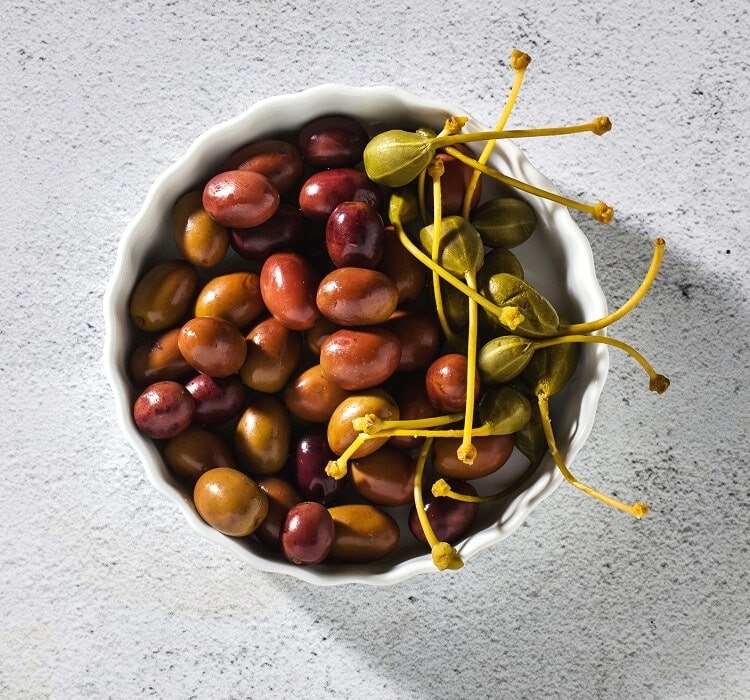
Named after the coastal town of Gaeta in Italy's Lazio region, situated between Rome and Naples, the small Gaeta olive has a purplish-black hue and is beloved for its soft, chewy texture. Black Gaeta olives are harvested when fully ripe, dry-cured in salt, and stored in oil, giving them a mild, sweet, and buttery taste. The green variety is picked earlier and brined, resulting in a slightly tart and fruity flavor. Gaeta olives are wonderful for snacking, adding to salads, and incorporating into pasta and pizza dishes. -
5. Ligurian (Taggiasca)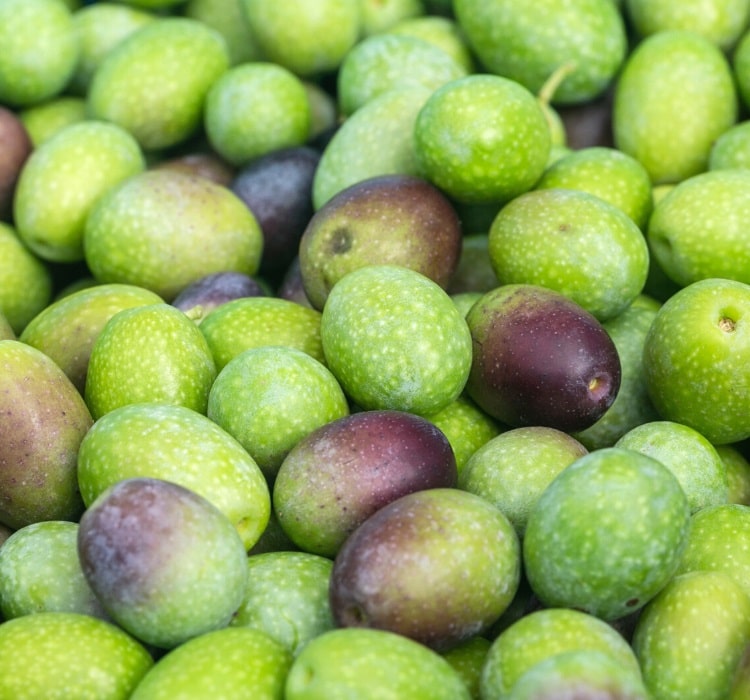
Also known as the Taggiasca olive, the Ligurian olive hails from the Liguria region in northwest Italy, near the French border. Typically picked when fully ripe, these olives shift from vibrant green to a deep brownish-purple hue. They are known for their delicately sweet flavor with a hint of almond and minimal bitterness, and their tender, smooth, buttery texture makes them a favorite for snacking and a versatile ingredient in salads and antipasto platters. -
6. Picholine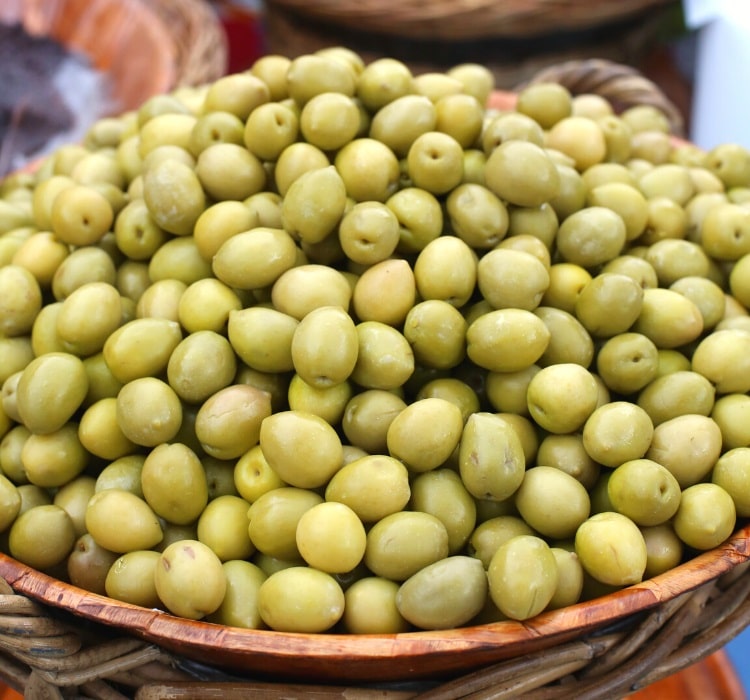
The Picholine is a salt-brine cured olive that originates from the Gard region in southern France, grown both for eating and for olive oil production. This pretty, green-colored olive offers a rich, nutty flavor with a pleasantly crisp and firm texture, making it a delightful choice for savory snacks or as part of cheese and antipasto platters. Although native to France, the Picholine has spread to other parts of the world and is typically harvested while still green, before reaching full maturity. -
7. Alfonso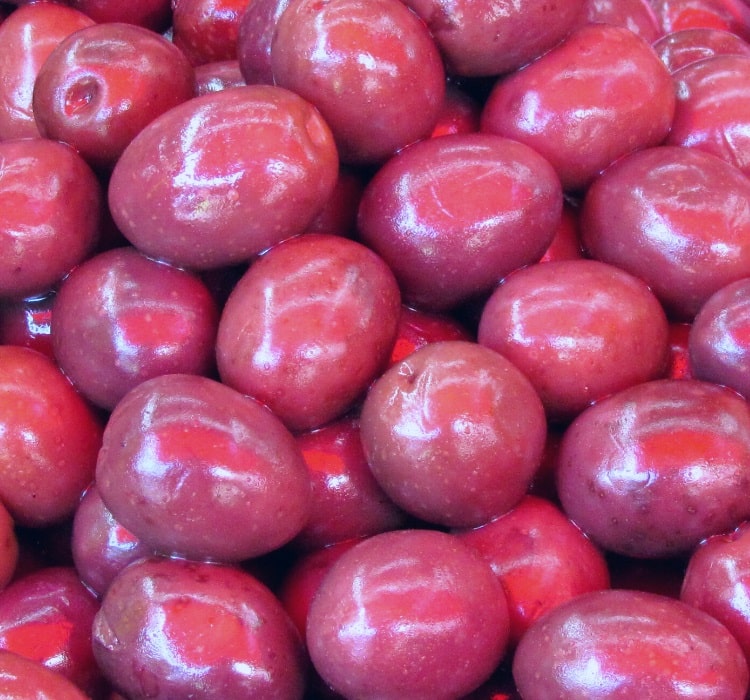
The Alfonso olive stands out as one of the few non-European varieties on this list, with its roots in Chile and Peru. These olives are quite large, with a deep purple hue and a soft, tender, slightly juicy texture. Traditionally harvested at full ripeness and brine-cured in red wine and vinegar, they develop a distinct, slightly sour flavor that sets them apart. They can be enjoyed straight from the jar or added to salads, pizzas, and tapas dishes. -
8. Mission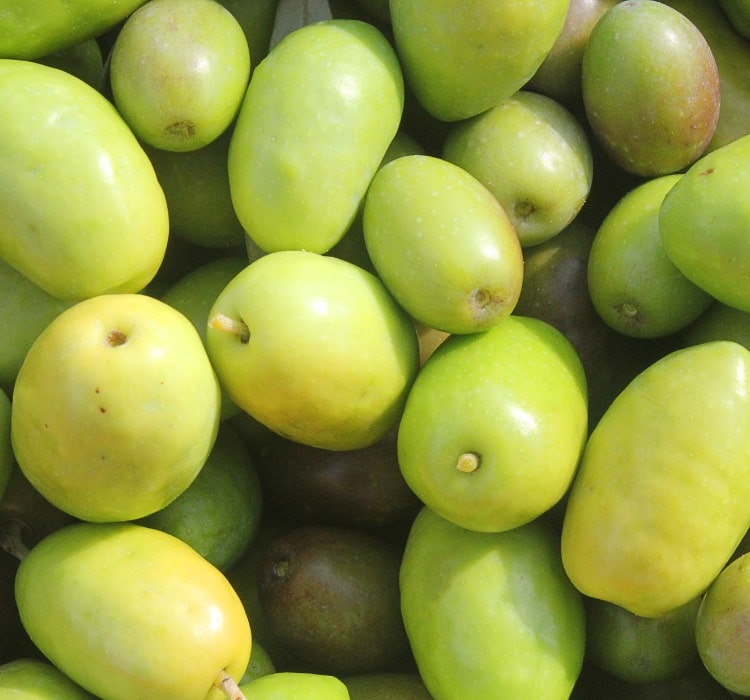
The Mission olive was introduced to California by Spanish missionaries in the 18th and 19th centuries and thrives in the state's warm, sunny climate — hence its name. This small, light-green olive has a firm texture and a robust flavor, and is cultivated both for eating and for olive oil production. When allowed to fully ripen, the Mission olive turns a glossy black and takes on a mellow, slightly sweet taste, with its meaty texture making it an ideal everyday snack. -
9. Arbequina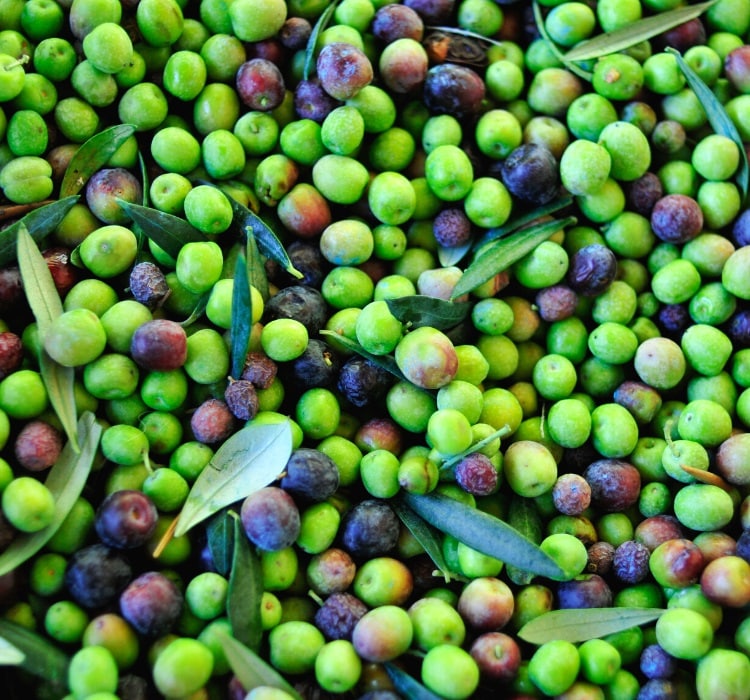
Originally grown in the Catalonia region of Spain, the Arbequina olive is today one of the most widely cultivated olives in the world, grown across South America, northern Africa, and Australia. Small but remarkable, the Arbequina is best known for its incredibly aromatic and balanced flavor — fruity with a hint of almond and apple, and a slightly buttery texture. While delicious to eat, the Arbequina is primarily grown for its outstanding olive oil production. -
10. Kalamata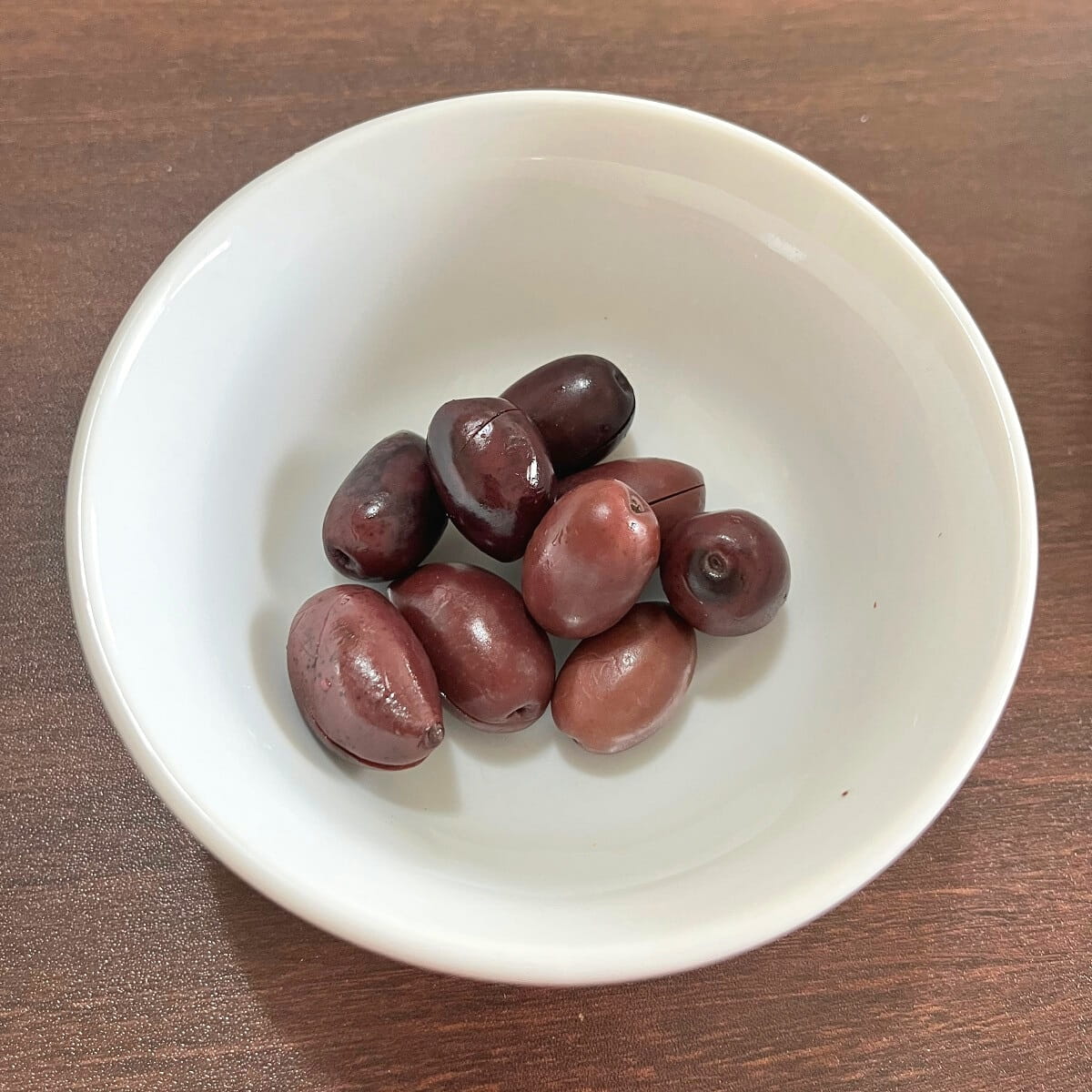
Native to Greece and often referred to simply as "Greek olives", Kalamata olives originate from the city of Kalamata in the Peloponnese peninsula. These olives are dark purple, slightly larger and more rectangular in shape than most other varieties, and can only be harvested when fully ripe — they cannot be picked green. They have a robust, full-bodied taste and a smooth, pleasing texture, making them a staple in Greek salads and a beloved ingredient across Mediterranean cuisine. -
11. Beldi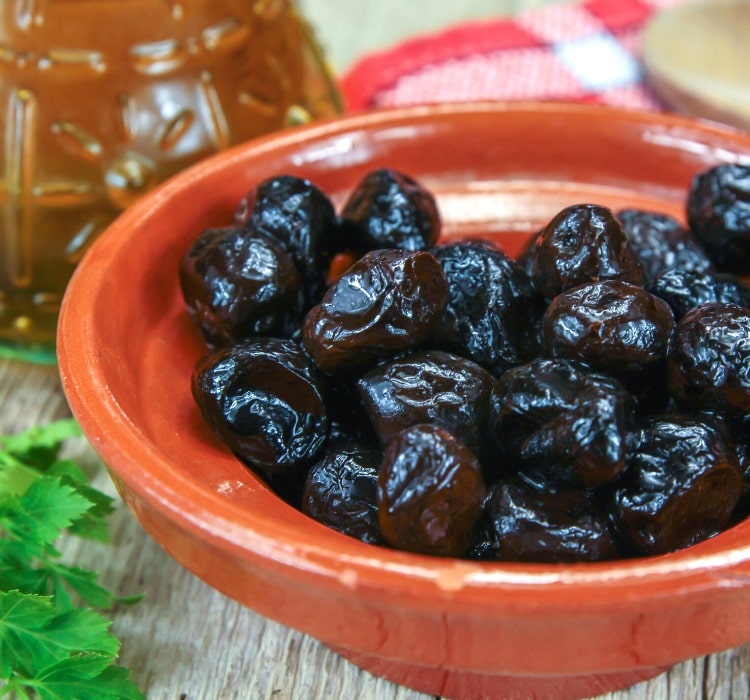
The small to medium-sized Beldi olive originates from Morocco in northern Africa. It is a dark-colored, dry-cured olive with a potent, concentrated, and slightly fruity flavor. Typically harvested when fully ripe and then dry-cured in salt, the Beldi develops a slightly wrinkled appearance and a firm, chewy texture. Its pleasantly rich flavor makes it an excellent table olive, served in salads or as an appetizer snack, and it is a cornerstone ingredient in traditional Moroccan cuisine. -
12. Amfissa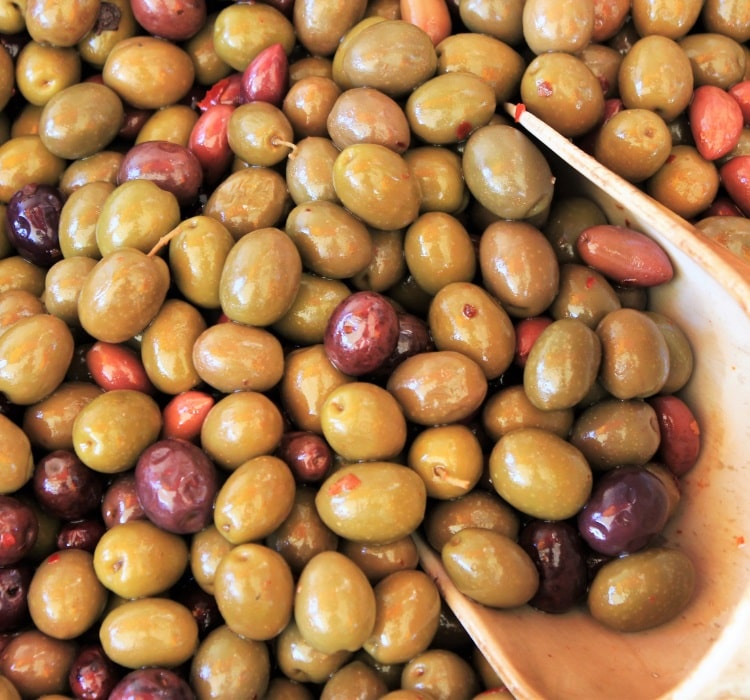
Named after the town of Amfissa, this popular Greek olive is grown exclusively in regions of Central Greece and is harvested as both green and black. The round-shaped Amfissa olive is cherished for its versatile nature and exceptional flavor. Young green Amfissa olives offer a firm texture and a buttery, citrus-like taste, while the fully ripe black version has a softer texture and a more robust, slightly sweet flavor. They are wonderful on their own, in salads, pasta, and traditional Greek dishes, and are also particularly suited to stuffing with garlic, almonds, or cheese. -
13. Nyon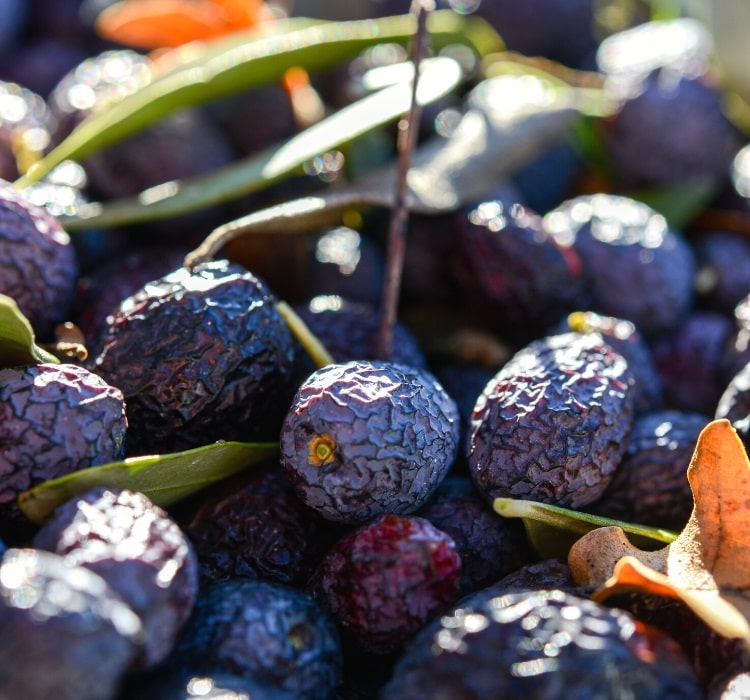
The Nyon is an authentic French olive originally grown in the Provence region in southeast France, named after the town of Nyons. This small to medium-sized, dark-colored olive is dry or oil-cured, and its characteristic wrinkled skin is the result of a long curing process that concentrates its flavors beautifully. Nyon olives have a surprisingly soft texture with a rich, buttery, and slightly tangy taste, making them a popular choice for appetizers and an exciting addition to salads and pasta dishes. -
14. Gordal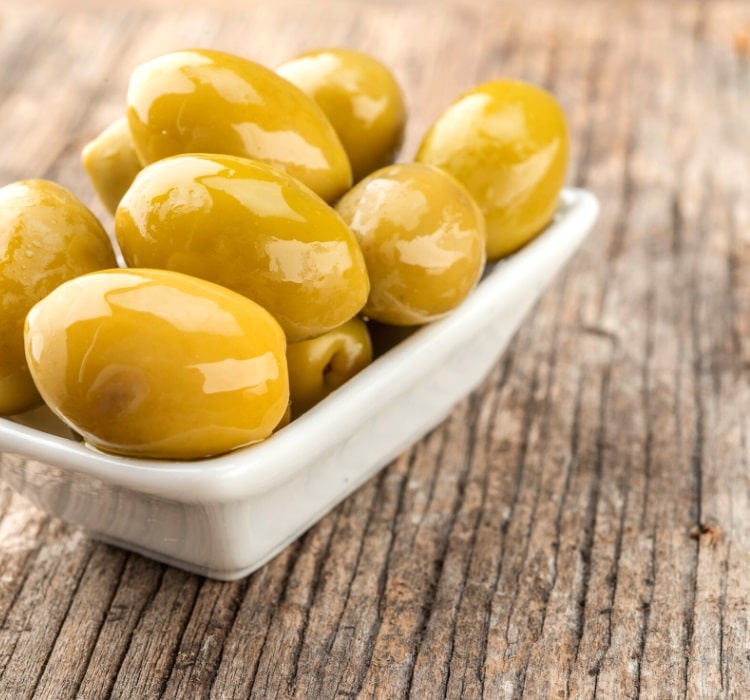
Often served as tapas, the large, full-rounded, bright green Gordal olive is a Spanish variety primarily grown in Andalusia in the south of Spain. "Gordal" literally means "fat one" in Spanish — a fitting name for this proud, firm, and generously sized olive. Typically harvested before full maturity, which gives it its vibrant green color, the Gordal is known for its firm, juicy texture and a memorable flavor that balances saltiness and bitterness with a touch of spiciness. -
15. Manzanilla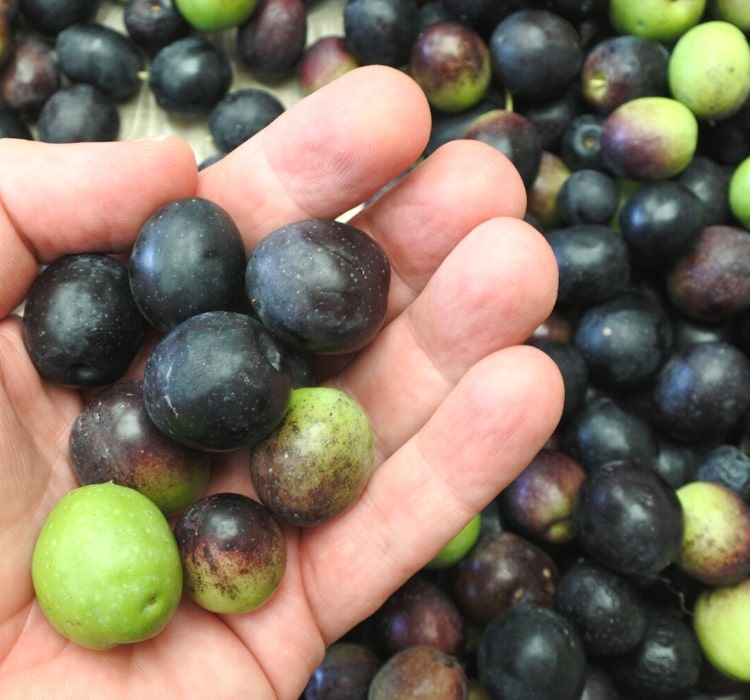
Another beloved Spanish olive, the Manzanilla is first lye-cured and then packed in brine, and comes in both green and black varieties. "Manzanilla" means "little apple" in Spanish — a perfect description for these medium-sized, round olives. One of Spain's most common olive types, the Manzanilla (also called Manzanillo) is used both as a fruity table olive and for olive oil production, and its mild, pleasant flavor makes it one of the most widely recognized and enjoyed olives around the world.
Article adapted from - Donna Harrison